Choosing between 3-tab and architectural shingles is not just a design decision for Tampa Bay homeowners. It is a performance decision tied directly to wind resistance, roof life, and how well your roof handles hurricane season. Florida’s climate brings coastal winds, heavy rain, intense heat, and long exposure cycles that stress roofing systems differently than in other regions.
From our experience working on asphalt shingle roof installations across Tampa Bay, the difference in roof performance often becomes clear after the first major storm event.
Key Takeaways
- Wind uplift is the most common cause of roof damage we see after strong winds and hurricane winds in Tampa Bay neighborhoods.
- Architectural shingles consistently outperform 3-tab shingles because of their layered design and stronger adhesive bonds.
- Installation quality, roof decking condition, and local exposure all influence how shingles respond to high winds and uplift pressure.
- Choosing the right roofing material provides peace of mind and helps most homeowners avoid costly repairs and expensive repairs over the roof’s lifespan.
How 3-Tab And Architectural Shingles Handle Tampa Bay Winds
Based on what we see during roof inspections and post-storm repairs across Tampa Bay, these are the key ways 3-tab and architectural shingles respond differently to wind uplift and hurricane conditions.
Wind Uplift Behavior in Older Tampa Bay Neighborhoods
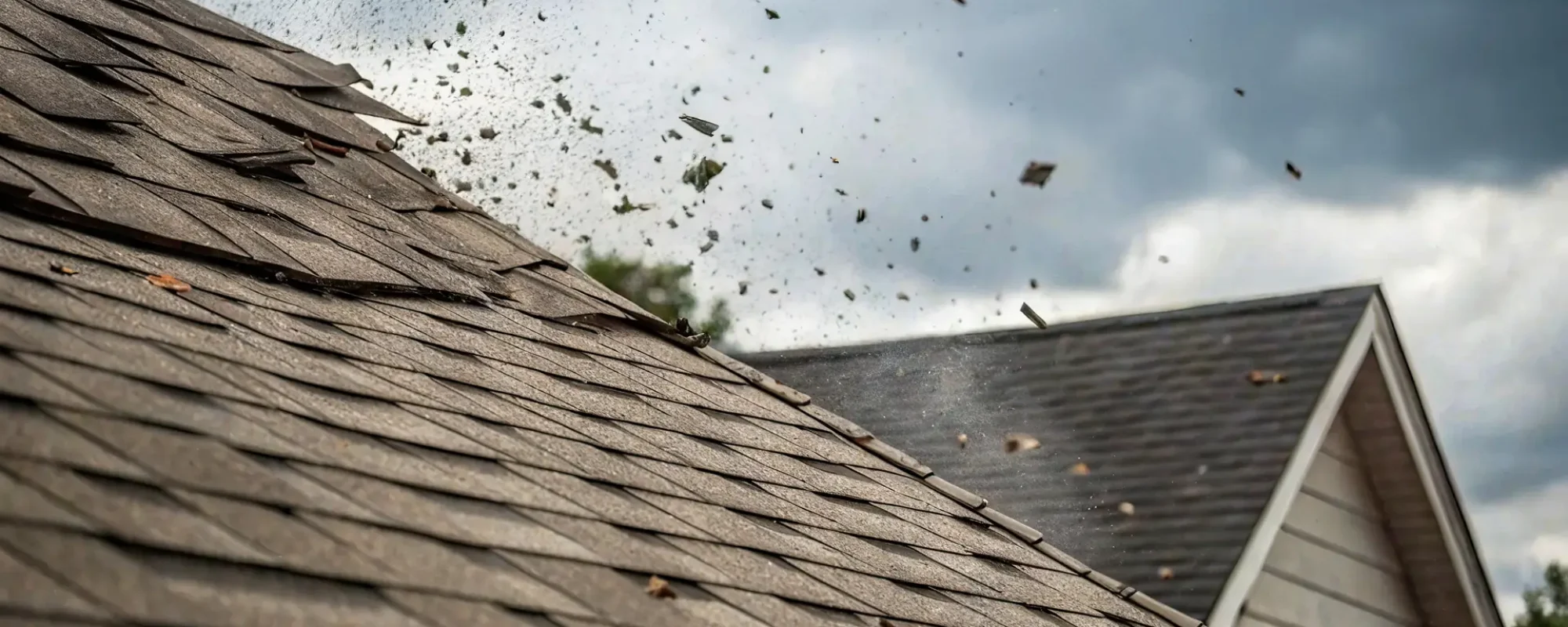
In areas like South Tampa and Seminole Heights, many homes still have aging 3-tab roof shingles installed decades ago, and these roofs are often the first to experience missing shingles during strong winds.
The single-layer design of 3-tab asphalt shingles creates uniform uplift pressure across the roof surface, which allows wind to get underneath more easily. Once one section lifts, surrounding shingles are exposed, leading to rapid wind damage and water damage during storms.
Layered Design Advantages During Hurricane Season
Architectural shingles are built with a layered design that adds thickness, weight, and staggered edges, all of which disrupt wind flow across the roof. On homes near Tampa Bay waterfront areas where coastal winds are stronger, we see architectural shingles hold their seal far longer during hurricane season.
The added mass helps counter uplift pressure, improving overall durability and protecting your home when hurricane winds test the roof system.
Adhesive Bonds and Sealing Performance in High Winds
A key difference we observe during post-storm inspections is how adhesive bonds perform under high winds. Architectural shingles use wider adhesive strips that activate more reliably during proper installation temperature ranges common in Florida.
In contrast, 3-tab shingles rely on narrower seal strips that can fail earlier, especially when installation occurs during cooler months or when debris like overhanging trees interferes with sealing.
Granule Loss and Aging Faster Under Repeated Storms
Granule loss is a frequent service issue we see on 3-tab roofs after repeated weather damage events. As shingles age faster, exposed asphalt absorbs more heat, increasing roof surface temperatures and accelerating breakdown.
Architectural shingles retain granules better, which improves algae resistance, protects against heat damage, and extends the roof’s lifespan under Tampa’s intense sun and more sunlight exposure.
What To Consider When Choosing Wind-Rated Shingles In Florida
Beyond shingle type, several underlying factors play a major role in how well a Tampa Bay roof holds up against wind, heat, and long-term weather stress.
Roof Decking Condition and Uplift Resistance
Even high-quality shingles cannot perform well if the roof decking underneath is compromised. In Tampa Bay homes built before modern code updates, we often find weakened decking that reduces wind resistance regardless of the roofing options chosen.
Ensuring the decking is properly fastened and reinforced during a roofing project significantly improves roof performance during strong winds.
Ventilation, Attic Temperatures, and Heat Control
Soffit vents and proper attic ventilation play a major role in how shingles handle heat and wind stress. Elevated attic temperatures can cause shingles to trap heat, weaken adhesive bonds, and shorten roof life.
When ventilation is optimized, attic temperatures stay lower, helping shingles maintain energy efficiency, reduce higher energy bills, and support long-term energy savings.
Installation Quality Over Material Alone
From a service provider’s perspective, expert installation matters just as much as the roofing material itself. We see wind damage occur on new roof installations when proper installation steps are skipped, such as nail placement or incorrect installation temperature.
Quality materials paired with expert installation create roofing systems that withstand Florida’s climate far better than material choice alone.
Budget Balance and Long-Term Cost Control
While 3-tab shingles are often seen as a budget-friendly option due to lower upfront cost, they frequently lead to full replacement sooner than expected. Architectural shingles cost more initially, but they reduce the likelihood of costly repairs, extend roof life, and improve curb appeal.
For most homeowners, finding the right balance between cost, durability, and long-term roof performance leads to better protecting their home.
Schedule A Wind-Resistant Roof Inspection In Tampa Bay
If you are planning a new roof or evaluating roof damage after strong winds, a professional inspection can help you choose shingles that match Florida’s climate and your home’s exposure.
At Tampa Bay Roofing Services, our team provides thorough inspections, explains roofing material options clearly, and helps homeowners stay proactive before the next storm season arrives. Schedule your inspection today to gain peace of mind and ensure your roof is built to handle Tampa Bay weather.
Frequently Asked Questions
Are architectural shingles better than 3-tab shingles for wind resistance in Tampa Bay?
Yes, architectural shingles provide superior wind resistance because their layered design and stronger adhesive bonds reduce wind uplift. In Tampa Bay, this added protection is especially important during hurricane season and frequent summer storms.
Can proper care extend the roof life of 3-tab shingles?
Regular inspections, gutter maintenance, and prompt repairs can help extend roof life, but 3-tab shingles still age faster under Florida’s climate. Even with proper care, they typically require replacement sooner than architectural shingles.
How do metal roofs compare to asphalt shingles in high winds?
Metal roofs offer excellent wind resistance and durability, but they come with a higher upfront cost and different installation requirements. Asphalt shingles remain a popular roofing option for homeowners seeking a balance between cost, performance, and aesthetics.
Does energy efficiency differ between shingle types?
Architectural shingles tend to perform better in managing heat, reducing roof surface temperatures, and improving overall energy efficiency. This can lower energy bills by keeping attic spaces cooler throughout the year.
When should homeowners consider full replacement instead of repairs?
If a roof shows widespread missing shingles, granule loss, or repeated wind damage, full replacement is often more cost-effective than ongoing repairs. A professional inspection helps determine whether repairs or replacement is the right solution.