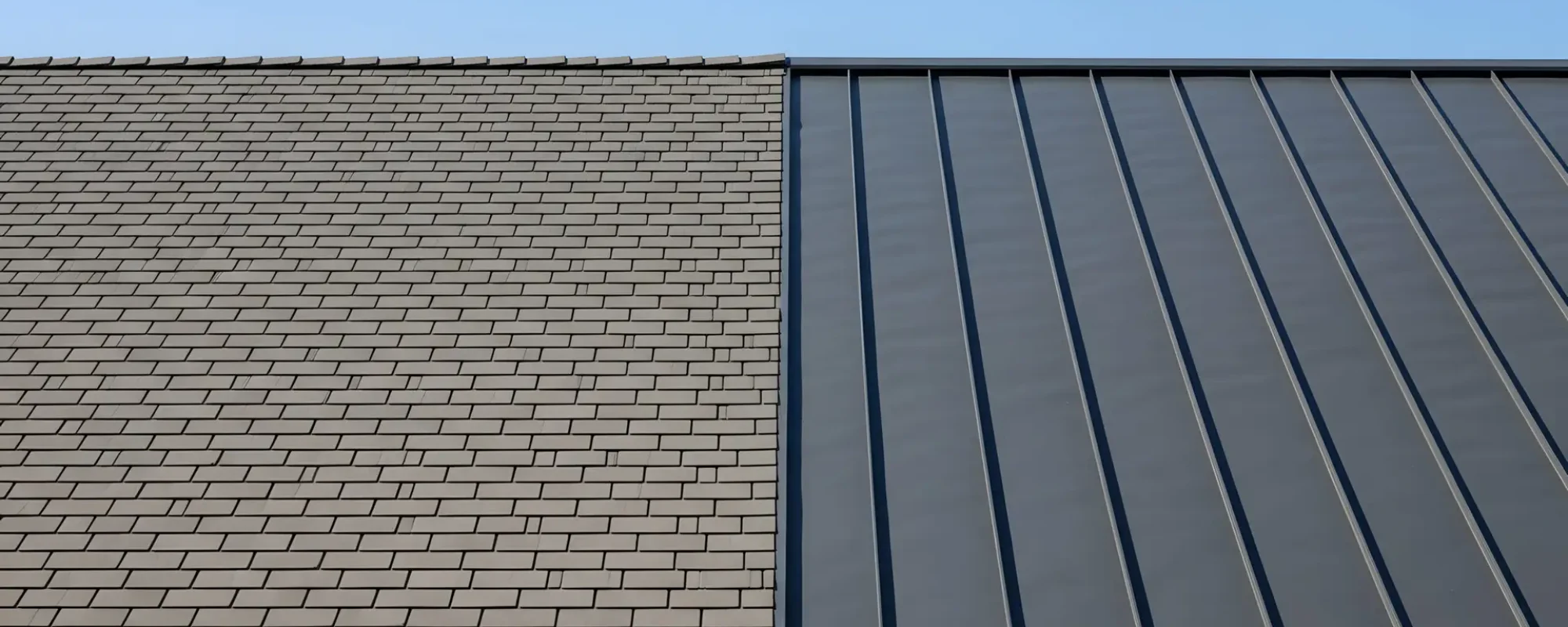
When comparing metal roofing vs. shingle roofing for Florida hurricanes, homeowners in Hernando County must consider storm protection, durability, and long-term value. Florida hurricanes bring high winds, heavy rain, and flying debris that can challenge any roofing system. Both metal roofs and asphalt shingles offer advantages, but they perform differently during severe weather.
Factors such as wind ratings, lifespan, installation quality, and maintenance requirements all influence roofing performance. Understanding these differences can help homeowners choose the best roof for hurricane-prone areas and make informed decisions about roof replacement for hurricane protection.
Key Takeaways
- Metal roofing systems typically provide superior wind resistance during hurricanes, helping reduce uplift risks and minimizing costly storm damage.
- Asphalt shingles remain popular because they offer affordability, widespread availability, and dependable performance when properly installed and maintained.
- Roofing material selection should consider lifespan expectations, maintenance requirements, insurance factors, and overall budget constraints.
- Hernando County homeowners benefit most from roofing systems engineered for Florida weather conditions, hurricane exposure, and durability.
How Metal Roofs And Shingles Perform In Florida Hurricanes
Both metal roofing and asphalt shingles are designed to protect homes from severe weather, but each material responds differently to the unique challenges posed by Florida hurricanes. Understanding how they compare in key performance areas can help homeowners make a more informed roofing decision.
Wind Resistance Ratings
When evaluating metal roofing vs. shingle roofing for Florida hurricanes, wind resistance is a key consideration. Metal roofing systems typically withstand higher wind speeds and resist uplift more effectively. Asphalt shingles can also perform well when properly installed and hurricane-rated, though they may be more vulnerable to lifting during extreme storms. Homeowners often compare different materials before deciding.
Shingle Performance During High Winds
Both metal roofs and asphalt shingles provide storm protection, but they perform differently in high winds. Shingles may lift or lose adhesive seals during severe weather, while metal roofing systems often use interlocking panels that help resist wind-related movement. Some homeowners may choose a complete shingle replacement solution after significant storm damage.
Impact Resistance Against Flying Debris
Flying debris can damage both metal roofs and asphalt shingles during Florida hurricanes. Metal roofing generally resists dents, punctures, and cracking better than shingles, while shingles may sustain localized damage from significant impacts. After severe weather, professional storm damage assessments and FEMA guidance on protecting homes from hurricane damage can help homeowners identify potential risks.
Water Protection During Heavy Rainfall
Both metal roofs and asphalt shingles can protect against Florida’s heavy hurricane rainfall when properly installed. Metal roofs shed water efficiently, while shingles rely on layered construction and underlayment. Regular roof maintenance services help prevent leaks, and NOAA hurricane preparedness resources can help homeowners prepare for severe weather.
Key Factors for Choosing the Right Storm-Ready Roof
Choosing between metal roofing and asphalt shingles involves more than comparing hurricane performance alone. Homeowners should also evaluate cost, lifespan, maintenance needs, design preferences, and local building requirements before selecting the roofing system that best fits their property.
Budget and Initial Investment
One of the biggest differences between metal roofs and asphalt shingles is upfront cost. Asphalt shingles generally cost less initially, making them a popular choice for homeowners seeking a more budget-friendly roofing option. Metal roofing requires a higher upfront investment but offers durability, a longer lifespan, and lower maintenance needs.
Evaluating both short-term and long-term costs can help determine the best fit. Homeowners comparing options often consider the overall value of different roofing materials available for Florida homes.
Expected Service Life
Longevity plays a major role when selecting the best roof for hurricane-prone areas. Metal roofing systems often provide several decades of reliable performance when properly maintained, making them attractive for long-term protection. Asphalt shingles generally have shorter service lives but remain a popular and cost-effective option for many homeowners.
Comparing lifespan expectations, maintenance needs, and replacement timelines can help homeowners determine which roofing material offers the best overall value.
Maintenance Requirements
Every roofing material requires roof maintenance. Metal roofs generally need less routine upkeep because they resist many weather-related issues. Asphalt shingles often require more frequent inspections for missing shingles, damaged seals, and storm-related wear, especially after severe Florida weather.
Home Design Compatibility
Roofing material selection should complement a home’s design and appearance. Metal roofs offer various profiles and finishes, while asphalt shingles provide many color options. Choosing the right balance of aesthetics and performance helps improve curb appeal and storm protection. Proper roof installation practices help maximize roofing performance.
Insurance and Local Building Standards
Insurance requirements and Florida building codes can influence roofing decisions in hurricane-prone areas. Wind ratings and installation standards may affect coverage and compliance. Many homeowners start by scheduling a professional roof inspection to identify vulnerabilities. Additional guidance is available through the Florida Division of Emergency Management preparedness resources.
Ready to Protect Your Home Before the Next Hurricane?
Florida weather places unique demands on residential roofing systems. Whether evaluating metal roofing vs shingle roofing for Florida hurricanes or considering a roof replacement for hurricane protection, understanding the strengths and limitations of each material is essential. Tampa Bay Roofing Services has extensive experience serving homeowners throughout the Tampa Bay area.
A professional roof inspection can identify existing vulnerabilities and help determine which roofing solutions best align with a property’s needs, budget, and long-term protection goals. Contact us today to choose the best roofing for your home.
Frequently Asked Questions
What roofing material handles hurricanes better in Florida?
Metal roofing generally offers stronger wind resistance, though high-quality hurricane-rated shingles can also perform effectively when properly installed.
Can shingles survive a major hurricane?
Yes. Modern shingles with strong wind ratings can withstand significant storms when installed according to Florida building standards.
Are metal roofs worth the higher cost?
Many homeowners choose metal roofs for their durability, longevity, and enhanced resistance to severe weather conditions.
Do metal roofs require less maintenance?
Generally, yes. Metal roofing systems often require less routine maintenance than asphalt shingles while still benefiting from periodic inspections.
How often should Florida roofs be inspected?
Most roofing professionals recommend annual inspections and additional inspections after major storms or hurricanes.