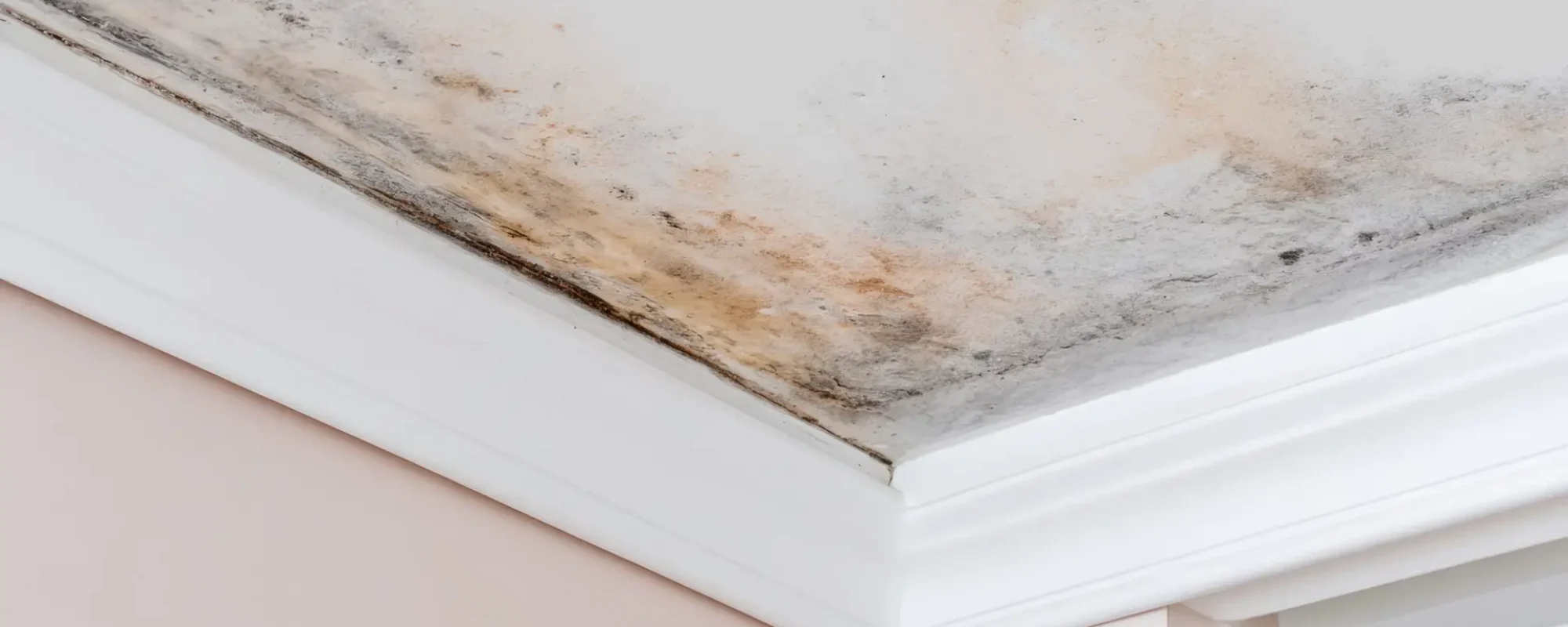
If you’ve lived in the Tampa Bay area for a while, you already know our summers can feel like walking into a warm cloud. That constant humidity might be good for tropical plants, but it’s one of the toughest challenges for any roofing system. The trapped moisture, high dew points, and frequent tropical storms can silently wear down roofing materials faster than most Florida homeowners realize.
Understanding how humidity affects your roof—and what you can do to prevent costly repairs—can save years of roof life and protect your home’s structural integrity from severe weather and excess moisture.
Key Takeaways
- Tampa Bay’s year-round humidity accelerates roof deterioration, promotes mold and algae growth, and invites moisture buildup.
- Regular inspections and proper maintenance are key to catching early signs of damage before it spreads.
- Proper ventilation and the right roofing materials make all the difference in humid climates and Florida’s rainy season.
- Addressing roof moisture problems early prevents extensive damage and costly roof replacement later.
How Tampa Bay Humidity Speeds Premature Roof Aging
Constant exposure to humid weather gradually weakens roofing systems across the Tampa Bay region. The combination of moist air, warm air, and intense heat creates ideal conditions for trapped moisture and mold growth.
Here’s how Florida’s climate accelerates roof aging and leads to structural damage.
Moisture Penetration Beneath the Surface
When humidity lingers, excess moisture can seep beneath roof shingles and underlayment. Over time, it breaks down adhesives and allows moisture buildup in layers that should stay dry. Homeowners in Hudson, Largo, and St Petersburg often notice missing or damaged shingles or curled shingles long before leaks appear.
Our team often catches these issues early during routine roof maintenance, preventing wood rot and major structural damage before it reaches the roof deck.
Metal and Fastener Corrosion in Coastal Air
The salt-laden humidity near Tampa’s climate doesn’t just attack surfaces—it corrodes the metal components, nails, screws, and flashing that keep roofs secure. As these parts weaken, shingles loosen and create entry points where humid air and moisture can invade.
A professional roof repair typically includes replacing corroded fasteners with Owens Corning shingles and other corrosion-resistant materials, extending the roof’s lifespan and preventing salt buildup in the coastal air.
Insulation and Ventilation Imbalance
High humidity levels strain attic ventilation systems, trapping warm, moist air beneath the roof deck. This leads to poor ventilation, higher cooling costs, and potential mildew growth. Condensation can form inside the attic, soaking insulation and encouraging mold and algae.
A detailed roof inspection ensures proper airflow through ridge vents, soffit vents, and gable vents, allowing cooler air to replace moist air and protecting your roof from humidity-related deterioration.
Practical Steps To Limit Moisture Damage Over Time
While humid weather is unavoidable in Florida’s tropical climate, homeowners can take practical steps to protect their roofing system, especially during and after storms. These actions focus on prevention—keeping moisture out, improving ventilation, and choosing durable materials built for extreme weather conditions.
Schedule Regular Roof Inspections
Routine maintenance and regular roof inspections are your first line of defense against moisture problems. Local specialists understand Tampa’s climate and know where trapped moisture tends to form.
Professional inspections identify signs like loose shingles, clogged gutters, or algae growth early, allowing you to address them before they cause significant damage.
Improve Ventilation and Attic Airflow
Proper ventilation is essential for humid climates. Installing ridge vents and soffit vents allows humid air to escape while pulling in cooler air, which helps prevent mildew and mold growth. Good ventilation reduces moisture buildup, lowers excess heat, and extends the roof’s lifespan.
During roof installation or repairs, our experts also recommend installing gutter guards to prevent clogging and ensure proper airflow during Florida’s rainy season.
Choose Roofing Materials Built for Humid Climates
Some materials simply perform better in Tampa’s tropical weather. Metal roofing, tile roofs, and concrete tiles resist excess moisture, algae growth, and high winds better than standard shingles. Energy-efficient coatings, protective coatings, and waterproof underlayments offer extra defense.
When planning shingle replacement or a complete roof replacement, selecting the right roofing material designed for humid climates ensures durability and energy efficiency even under constant exposure to humid weather.
Safeguard Your Florida Home with Proven Roofing Expertise
If you suspect humidity is taking a toll on your roof, don’t wait until extensive damage appears. Tampa Bay Roofing Services offers free estimates and professional inspections to help you understand your roof’s current condition.
Call us today at (727) 334-2772 to schedule your free estimate.
From quick roofing upgrades to complete commercial roof installations, we deliver quality service on time to surpass customer expectations. Contact us today to protect your home against excess moisture, poor ventilation, and Florida’s humid climate.
Frequently Asked Questions
How does humidity affect roof longevity in Tampa Bay?
High humidity and moist air shorten a roof’s lifespan by weakening adhesives, promoting mold and algae growth, and corroding metal roofing components. Over time, constant exposure to excess heat and humid weather leads to trapped moisture, structural damage, and costly repairs.
What are common roof moisture damage signs?
Dark stains, missing or curled shingles, mildew growth, or musty attic smells indicate trapped moisture beneath the roof deck. Florida homeowners should also watch for poor ventilation and clogged gutters, which can worsen moisture problems and lead to higher cooling costs during Florida’s rainy season.
What are the best roofing materials for humid Florida weather?
The best roofing materials include metal roofing, concrete tiles, and high-quality asphalt shingles with algae-resistant coatings. These options withstand extreme weather conditions, resist mold and mildew, and maintain energy efficiency in humid climates. Roof and shingle upgrades can significantly improve performance in tropical storms.
Why is ventilation so important for roofs in humid climates?
Proper ventilation prevents warm air and moisture buildup in the attic, protecting insulation and roof decking from water damage. Installing ridge vents, soffit vents, and gable vents promotes good ventilation, helping cooler air circulate and reducing the risk of wood rot and extensive damage caused by trapped moisture.