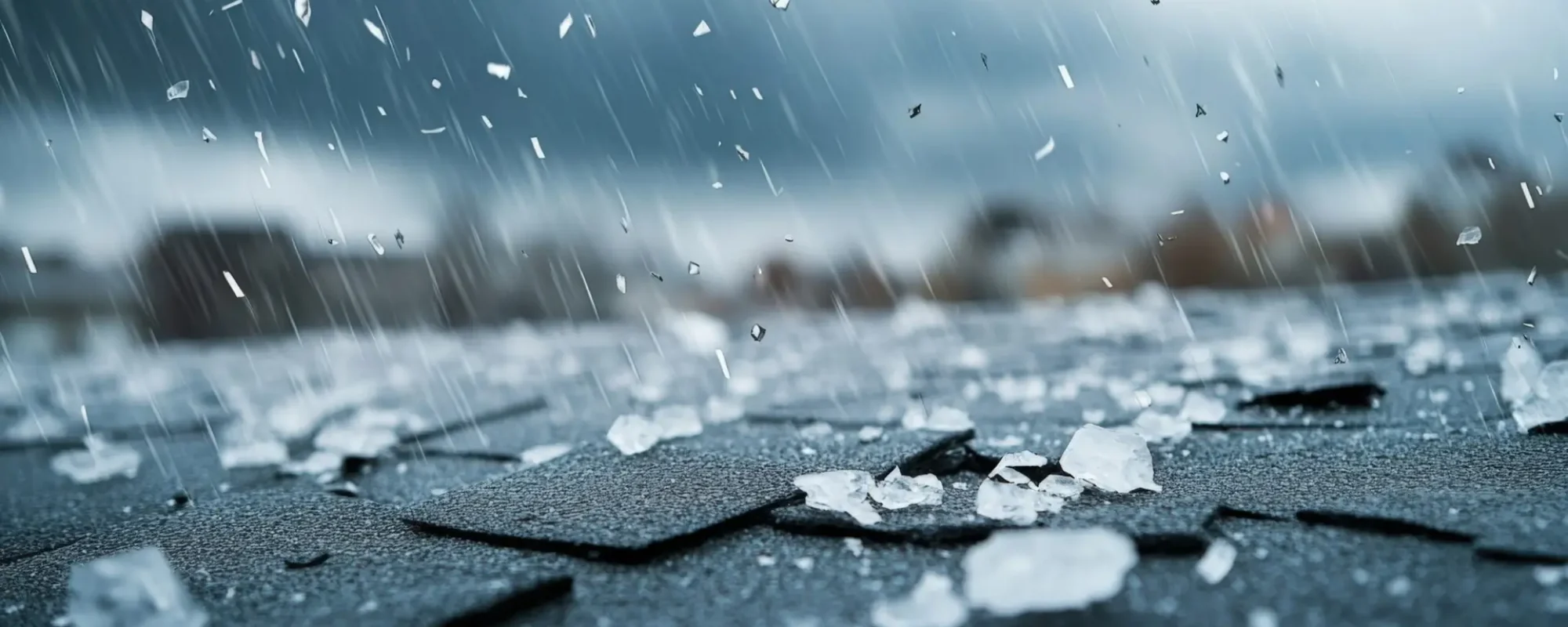
Hailstorms in Tampa Bay can cause more damage than many homeowners realize. Between Florida’s unpredictable storms and our intense heat cycles, the combination can take a serious toll on your roof. Unfortunately, there’s also a lot of misinformation about what hail really does and how to handle it afterward.
As a trusted third-generation Florida roofer, Tampa Bay Roofing Services has seen nearly every kind of weather-related roof issue our region can deliver—and we’re here to separate fact from fiction.
Key Takeaways
- Hail damage in Central Florida often hides beneath the surface, so early detection is key.
- Not all roofing materials react to hail the same way, especially under Florida’s sun.
- Professional inspection ensures insurance claims are accurate and fair.
- Local expertise matters when assessing storm-related roof damage.
The Real Impact of Hail on Tampa Bay Roofs
Hailstorms in Central Florida are powerful but deceptive.
Even small hailstones can create long-term issues for both residential and commercial roofs, especially when combined with humidity and salt air. In areas like Tampa, Northdale, and Brandon, where afternoon storms and shifting weather patterns are frequent, hail can leave subtle but serious marks that only appear over time.
Here are three common realities many homeowners overlook when assessing post-storm damage.
Hidden Hail Damage Beneath the Surface
Many Tampa Bay homeowners assume that if their roof looks fine from the ground, there’s no problem. The truth is, hail damage often isn’t visible without a proper roof inspection. The granules on asphalt shingles may appear intact, but impacts can loosen the waterproof layer underneath and trap moisture.
Over time, that damage allows water stains, mold growth, or structural rot to develop—especially if the protective granules have worn off.
That’s why every hurricane season, our team stresses the importance of professional evaluation rather than relying solely on visible damage.
Florida’s Heat Magnifies Hail Damage Over Time
Unlike cooler climates, Tampa Bay’s year-round heat accelerates the wear on hail-damaged shingles. Once the protective surface has been compromised, UV rays break down the asphalt faster, turning small dents into leaks and further damage to the roofing system.
Metal roofing panels and tile roofs can also expand and contract with temperature swings, worsening existing weak spots or cracked seals.
That’s why timely roof repair after hail events isn’t just about fixing a current problem. It’s about preserving energy efficiency and preventing future water intrusion.
Insurance Claims Depend on Professional Documentation
Insurance adjusters depend heavily on clear, professional assessments to validate a roofing claim. Without one, homeowners risk missing coverage for legitimate storm-related damage.
Local roofing specialists who understand how storm and weather damage appear on Florida roofs know how to provide accurate, detailed reports that meet insurer standards and Florida building codes.
With decades of experience working directly with every insurance company and insurance agent, Tampa Bay Roofing Services helps clients navigate the insurance claims process smoothly and protect their investment with proper maintenance and quality workmanship.
How to Evaluate Your Roof After a Hailstorm
After any severe weather event in Central Florida, especially one involving hail, taking the right next steps is crucial. In communities such as Carrollwood, Seminole, and Dunedin, where sudden hailstorms and high winds are common, homeowners should act quickly to minimize further damage.
Understanding how to safely and effectively assess your roof can prevent minor issues from turning into major repairs later.
Start With a Ground-Level Inspection
Immediately after a storm, walk around your property and observe your roof from the ground.
Look for missing shingles, dented flashing, or debris buildup in gutters—common early signs of impact. While it’s tempting to climb up yourself, we recommend having a professional roofer examine it instead.
Experienced, licensed roofing contractor teams know how to spot subtle signs of damage that untrained eyes may miss, particularly on shingle or metal panels used in both residential and commercial applications.
Schedule a Thorough Professional Assessment
A certified roofing contractor familiar with Florida’s building codes will provide a detailed evaluation. This assessment goes beyond the surface to determine whether roof replacement or targeted shingle replacement is needed to prevent interior damage or roof leaks.
At Tampa Bay Roofing, we combine visual inspection with moisture scanning and attic ventilation checks to ensure no hidden weakness remains.
It’s this extra attention that often prevents more expensive emergency repairs and extends the entire roof’s lifespan with proper licensing and workmanship warranty.
Follow Up With Maintenance or Repair Work
Once damage is confirmed, don’t delay repairs.
Roof maintenance following a hail event can make the difference between extending your roof’s life and needing a full roof replacement. Whether you have a residential roof or a commercial roof, immediate action keeps your property weather-ready against heavy rains and high winds.
Our crews specialize in restoring roofing materials impacted by both hail and Florida’s frequent major storm conditions, using methods that improve energy costs, reflect sunlight, and prevent further deterioration from Florida’s climate.
Fortify Your Florida Roof Before the Next Hurricane Season
If your home or business has recently experienced a hailstorm, Tampa Bay Roofing Services is here to help. As a third-generation Florida roofing company, we bring decades of expertise, trusted craftsmanship, and a customer-first approach to every project. Our licensed team specializes in detailed inspections, insurance coordination, and quality workmanship designed for Florida’s demanding climate.
Schedule your free estimate today or contact our team at (727) 620-6680 to begin your inspection or repair. Our Tampa Bay professionals will ensure your roof stays watertight, storm-ready, and built to withstand the next Florida storm season.
Frequently Asked Questions
How do I know if hail has damaged my roof?
Often, hail damage can’t be seen from the ground, but signs like a few shingles coming loose, granule loss, or water stains in the attic may appear. Schedule a professional roof inspection by a licensed roofing contractor to find shingle damage or early signs of leaks. Regular maintenance and routine inspections will keep your Florida roof in top condition before structural damage sets in.
Does hail really damage roofs in Central Florida?
Yes, hail damage myths Tampa Bay roofing experts often correct involve underestimating small hail. Even minor impacts can break protective granules, weaken asphalt shingles, and shorten your roof’s lifespan. Florida homeowners should schedule annual roof inspections during hurricane season to spot problems early and avoid costly roofing work later.
Can hail damage lead to leaks immediately?
Not always. Micro-fractures may take weeks or months before allowing moisture to trap inside and cause interior damage. Timely roof repair and regular maintenance will help prevent roof leaks, mold growth, and structural rot that can compromise your roof’s life expectancy.
What type of roofing material handles Florida hail best?
Impact-rated metal roofing panels, tile roofs, and durable asphalt shingles handle hail storms and hurricane-force winds exceptionally well. The right option depends on whether you need roof installation or a full replacement suited for Florida’s climate and building codes. Choosing quality materials and proper maintenance helps prevent further damage and improves your roof’s energy efficiency.