Attic ventilation plays a critical role in attic ventilation and roof performance in Tampa Bay, Florida, where excessive heat, high humidity, and sudden storms place constant stress on roofing systems. From our perspective as a third-generation Florida roofer, proper attic ventilation is not an upgrade or add-on. It is a foundational part of protecting the roof deck, attic space, and living spaces below from heat and moisture buildup common across the Tampa Bay area.
When attic ventilation is properly designed with balanced intake vents and exhaust vents, it supports roofing materials, improves energy efficiency, and helps extend roof lifespan in this climate.
Key Takeaways
- Proper attic ventilation reduces trapped heat that shortens roof lifespan in Tampa Bay homes.
- Balanced intake vents and exhaust vents protect attic insulation and the roof structure.
- Effective attic ventilation systems help control moisture buildup and mold growth.
- Adequate ventilation improves energy efficiency and lowers strain on air conditioning systems.
- Well-ventilated attic spaces support long-term roof health and structural integrity.
How Proper Attic Ventilation Protects Roofs in Tampa Bay Heat
Tampa Bay heat creates unique challenges for attic spaces and the overall roofing system due to excessive heat, trapped heat, and limited natural airflow. This heat buildup makes proper attic ventilation essential for maintaining roof health, improving energy efficiency, and preventing poor attic conditions.
In communities such as Brandon and Carrollwood, attic spaces frequently experience hot air accumulation that stresses roofing materials, attic insulation, and the roof deck when adequate ventilation is not in place.
Reducing Heat Buildup at the Roof Deck
In Tampa Bay, excessive heat rises and collects at the roof deck, especially in poorly ventilated attic spaces. During a professional roof inspection, this heat concentration is often one of the first warning signs we identify.
Proper attic ventilation allows hot air to escape through ridge vents, roof vents, or turbine vents at the roof’s peak, reducing heat retention that can prematurely age roofing materials and compromise roof integrity.
Preventing Trapped Heat From Damaging Roofing Materials
When hot air becomes trapped due to poor ventilation, shingles and other roofing materials absorb prolonged heat exposure. We frequently see this during roof repair evaluations, where ventilation-related heat stress has already weakened materials that were otherwise installed correctly.
Addressing ventilation early helps reduce the need for premature roof repair caused by avoidable thermal damage.
Supporting Attic Insulation Performance
Attic insulation, such as fiberglass insulation, works best when temperatures are regulated. In homes where ventilation is inadequate, we often see insulation breakdown during routine roof maintenance visits.
Excessive attic heat reduces insulation effectiveness, allowing warm air to push into living spaces and forcing cooling systems to work harder during Tampa Bay summers.
Improving Energy Efficiency Throughout the Home
Proper ventilation ensures continuous airflow that limits heat buildup above the attic floor space. This airflow balance is especially important when planning a new roof installation, as ventilation design directly affects how efficiently a home manages heat.
By reducing heat transfer through exterior walls and ceilings, homeowners experience lower energy bills and less strain on air conditioning and HVAC systems.
Roof Moisture Control and Attic Ventilation
Heat is only part of the equation. Moisture control is equally important in Tampa Bay’s humid climate.
Managing Moisture Buildup in Humid Attic Environments
Moist air naturally rises into the attic space, and without adequate ventilation, moisture accumulation becomes a serious issue. From our inspections across Tampa Bay, poor attic ventilation often leads to moisture buildup that threatens roof health and accelerates deterioration of the roof structure.
Reducing Mold and Mildew Risks
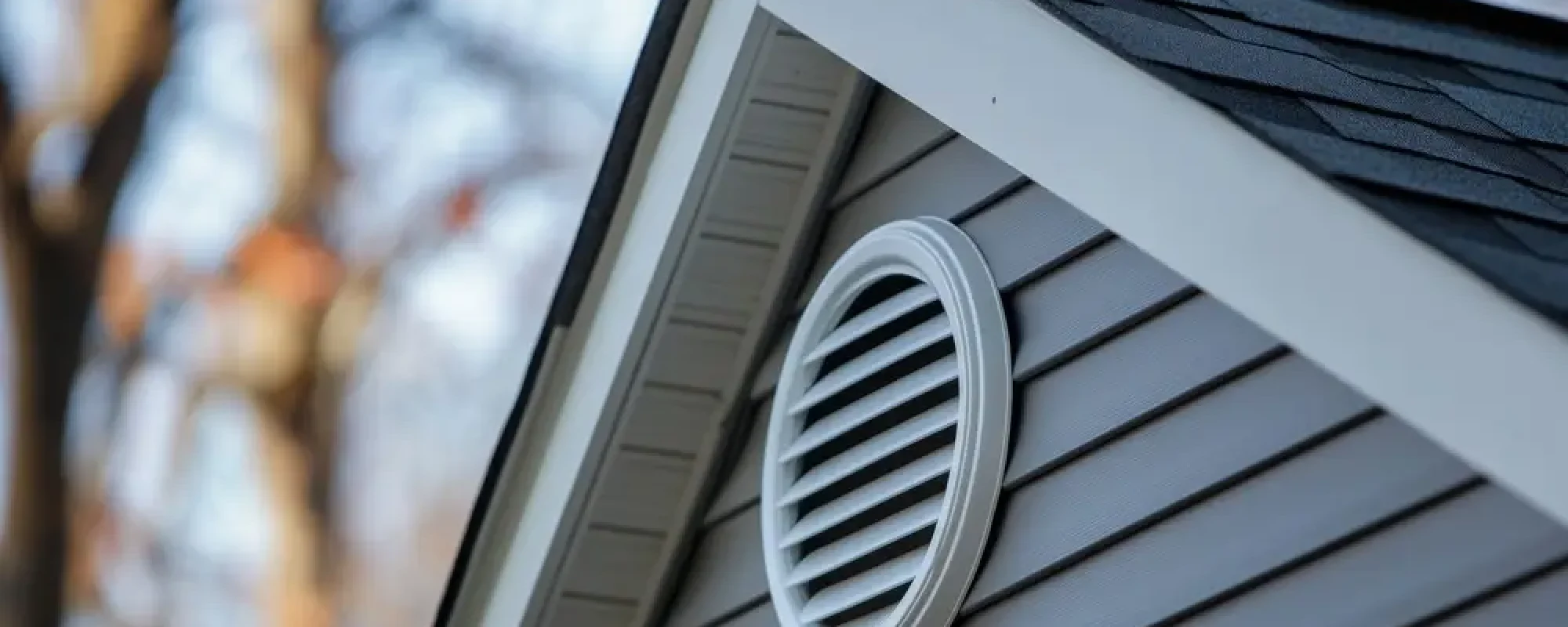
Moisture buildup combined with warm air creates ideal conditions for mold growth and mildew. Proper attic ventilation introduces fresh air through soffit vents or gable vents while exhausting moist air, helping protect indoor air quality and preventing musty odors from spreading into living spaces.
Protecting Wood Components From Rot and Structural Damage
Wood rot is a common consequence of poor ventilation in Tampa Bay homes. By maintaining effective attic ventilation systems, we help prevent moisture from settling on rafters and decking, preserving the home’s structural integrity and avoiding long-term structural damage.
Maintaining Roof Lifespan During Storm Season
Storm-driven rain and humidity increase moisture levels inside attic vents and roof ventilation systems. Properly ventilated attics allow faster drying after storms, which protects the roofing system and supports a longer roof lifespan even during active hurricane seasons.
Ready to Improve Your Attic Ventilation
If you want to improve attic ventilation and roof performance in Tampa Bay, working with a Florida-experienced roofing contractor matters. Tampa Bay Roofing Services brings third-generation expertise to evaluating attic ventilation, identifying poor ventilation issues, and designing proper roof ventilation systems suited to local conditions.
Contact us to schedule a thorough inspection and discuss solutions tailored to your home.
Frequently Asked Questions
How do I know if my attic ventilation is inadequate?
Common signs include excessive heat in the attic, higher energy bills, uneven indoor temperatures, and visible moisture buildup. During inspections, we also look for poor airflow patterns, insufficient intake vents, or blocked exhaust vents that indicate inadequate ventilation.
What types of attic vents work best in Tampa Bay?
Effective systems typically combine soffit vents as intake vents with ridge vents, roof vents, turbine vents, or solar attic fans for exhaust. The right combination depends on roof structure, gable roof design, and attic space size, which is why professional evaluation is important.
Can poor attic ventilation really shorten roof lifespan?
Yes. Poor attic ventilation leads to heat and moisture buildup that accelerates wear on roofing materials and compromises roof integrity. Over time, this can significantly reduce roof lifespan and increase the likelihood of costly repairs.
Does attic ventilation improve indoor comfort?
Properly ventilated attics reduce heat transfer into living spaces, helping air conditioning systems maintain consistent temperatures. Homeowners often notice improved indoor air quality, fewer musty odors, and better overall comfort when attic ventilation is addressed correctly.