A roof inspection report outlines the true condition of your roofing system at a specific point in time. It documents visible damage, structural concerns, and areas vulnerable to water intrusion. It also assigns repair priorities that influence both budgeting decisions and insurance discussions.
For Tampa Bay homeowners, scheduling a professional roof inspection before hurricane season can prevent costly surprises. This guide breaks down what your report includes, how to interpret each section, and the smart next steps to protect your home.
Key Takeaways
- A Florida roof inspection report evaluates every major roofing component, including shingles, flashing, and drainage systems.
- Repair priorities are clearly ranked so you know which issues demand immediate attention before the next storm.
- Many Florida insurance carriers require a signed roof inspection report to issue, renew, or validate coverage.
- Tampa Bay homeowners benefit from routine roof inspections to identify damage early and reduce costly surprises.
How to Read Florida Roof Inspection Reports and Spot Hidden Risks
Florida’s climate creates roofing problems that do not always show up from the ground. Intense heat, year-round humidity, and seasonal storms accelerate wear in ways that only a trained eye can identify on a proper roof inspection. Understanding each section of your report helps you act on the right issues first.
This section walks through three critical areas that appear in every residential roof inspection report: surface materials, water entry points, and photographic documentation.
Understand What the Surface Condition Section Reveals
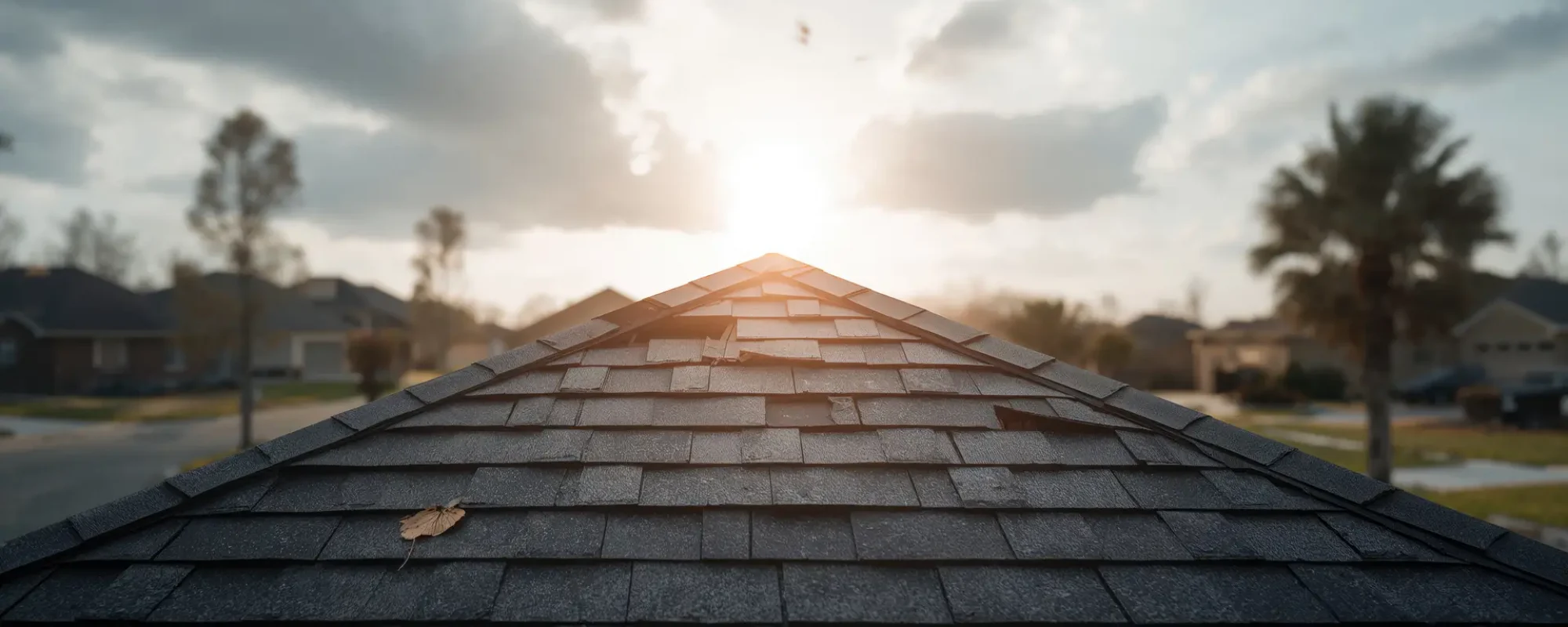
The surface condition section covers the outermost layer of your roof. Inspectors look for granule loss, cracking, curling edges, and missing shingles. Granule loss is common in Tampa Bay after years of UV exposure and shortens shingle lifespan.
If your report shows minor wear, schedule targeted repairs before storm season. If it shows widespread granule loss, brittle shingles, or multiple missing areas, start planning for replacement. Delaying action in Florida’s storm cycle can turn surface wear into interior water damage fast.
Locate the Flashing and Water Intrusion Findings
Flashing is the protective metal installed around chimneys, vents, skylights, and roof valleys to seal vulnerable transition points. During a roof inspection, professionals look for separation, rust, or cracked sealant along these critical joints. When flashing begins to fail, water can bypass shingles and reach the underlying roof structure.
If your inspection report identifies deteriorating flashing, address it before Florida’s heavy rains test those weak points. In coastal communities like Clearwater or New Port Richey, salt exposure speeds up corrosion and often makes replacement the more durable option.
Identify What the Inspection Photos Reveal
A professional roof inspection report for insurance purposes must include dated photographs of every documented finding. These photos provide clear visual proof that supports the written descriptions in the report. Adjusters, contractors, and homeowners rely on this documentation to verify the extent and location of damage.
If your report includes storm-related damage, review the photos carefully and confirm each issue is clearly documented. Hail strikes and wind-lifted shingles are often invisible from the ground, making photographic evidence essential for insurance approval.
Repair Priorities and Next Steps for Tampa Bay Homeowners
After the inspection is complete, the report assigns a priority level to every finding. Understanding how those priority levels work helps you plan repairs around your budget and timeline. This is especially important heading into April, when Tampa Bay’s hurricane season is only weeks away.
This section covers how repair categories are defined, what the insurance claim process looks like, and how roofing types affect the decisions ahead of you.
Address Critical Repairs Before the Next Major Storm
Findings rated as immediate or safety-critical require action before the next major weather event. Active leaks, exposed decking, and structurally compromised sections fall into this high-risk category. In Wesley Chapel or Brandon neighborhoods, frequent afternoon storms from May through October can quickly worsen untreated damage.
If your report lists any immediate repairs, schedule service before hurricane season intensifies and secondary damage increases repair costs. Delaying urgent work raises the risk of interior water intrusion, mold growth, and potential insurance complications.
Connect the Report Findings to Your Insurance Claim
A roof inspection report for insurance purposes serves as the foundation for any storm damage claim you file. Florida homeowners should keep a copy of their most recent report stored with their policy documents. When storm damage occurs, a documented pre-storm baseline speeds up adjuster review and strengthens your claim documentation.
If your inspection identifies existing wear or minor damage, discuss it with your insurer before storm season begins. Clear documentation reduces disputes, prevents claim delays, and helps demonstrate which damage was caused by a specific storm event.
Choose the Right Roofing Type Based on What the Report Recommends
When a report recommends roof replacement instead of repair, it usually includes notes about your current roofing type and Florida building code compliance. Inspectors may document that shingles have reached the end of their lifespan or that flat roof drainage failures require a full system upgrade. These findings signal that continued patchwork repairs may no longer be cost-effective.
If replacement is recommended, review material options that meet current Florida wind standards before hurricane season begins. Metal and tile systems are often advised in Tampa Bay because they offer stronger wind resistance and longer service life.
Protect Your Tampa Bay Home by Acting on Your Roof Inspection Today
A roof inspection report is only useful if someone qualified helps you act on it. Tampa Bay Roofing Services provides expert professional roof inspections across the Tampa Bay area. From roof inspections to installations, our licensed team handles every scope of work documented in your report.
If your report flagged storm damage or you need help navigating an insurance claim, contact us to schedule your free estimate today. We work directly with insurance carriers and provide the documentation your adjuster needs.
Flexible financing options are also available for qualifying projects.
Frequently Asked Questions
What should be included in a roof inspection report?
A complete roof inspection report covers surface materials, flashing condition, drainage systems, attic ventilation, and structural integrity. It also includes dated photographs and a prioritized list of repair or replacement recommendations based on the current roof condition.
What does a roof inspection report look like for insurance purposes?
An insurance-ready roof inspection report includes a condition rating, photo documentation of all findings, the estimated remaining roof lifespan, and the inspector’s signature. Florida carriers often require this format before issuing or renewing a homeowner’s policy.
How much does a roof inspection cost in the Tampa Bay area?
Residential roof inspections in the Tampa Bay area typically range from $150 to $450, depending on roof size and complexity. Some roofing contractors offer free inspections as part of an estimate, particularly after a storm event.
Can I use a roof inspection report template myself?
A downloadable roof inspection report template can help document visible surface conditions, but it does not replace a licensed inspector’s assessment. Florida insurance carriers and mortgage lenders require reports completed and signed by a verifiable, licensed roofing professional.