
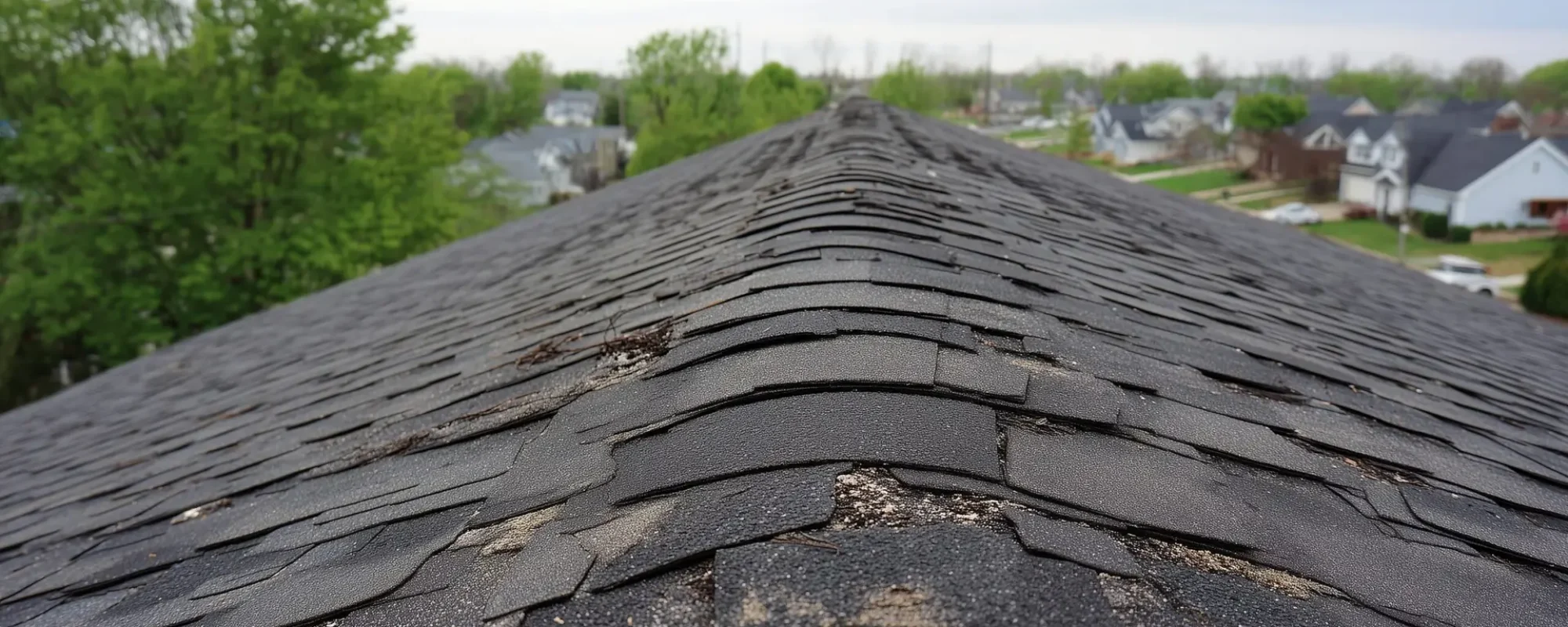
Living in Tampa Bay means your roof faces intense sun exposure, heavy rain, and severe weather throughout the year. Asphalt shingles are designed to handle these conditions, but granule loss is one of the earliest warning signs that an asphalt roof may be experiencing normal wear or developing issues.
Homeowners often notice roof granules in gutters or downspouts and wonder whether shingles are failing or simply shedding a few granules as part of normal aging. From a service-provider perspective, understanding shingle granule loss helps prevent costly repairs, roof leaks, structural damage, and premature roof replacement.
This guide explains roof granule loss causes and warning signs in Tampa Bay, how protective granules function as a protective layer, and how local homeowners should decide on next steps.
Key Takeaways
- Asphalt shingle granule loss is common in Tampa Bay due to sun exposure, UV rays, heavy rain, and severe weather.
- A few granules or loose granules in gutters can be normal, especially on new roofs or older roofs.
- Significant granule loss exposes bare asphalt, reduces UV protection, and affects fire resistance.
- Regular roof inspections help identify early signs of premature granule loss before roof leaks develop.
- A professional inspection helps determine whether roof repair or full roof replacement is the best option.
What Granule Loss Signals About Roof Health in Tampa Homes
Granule loss does not always mean immediate failure, especially on asphalt shingle roofs exposed to constant sun exposure and seasonal storms.
The severity, location, and timing of granule shedding all matter when determining whether the issue reflects normal aging, premature granule loss, or damage that requires professional attention through a thorough roof inspection.
Normal Aging of Asphalt Shingles
Asphalt shingles naturally shed granules as they age, particularly on older roofs where long-term UV exposure loosens protective granules from the shingle surface. During routine roof maintenance, we often see minor granule loss or a small amount of excess granules that does not affect the roof’s durability or overall roof lifespan.
UV Exposure and Heat Damage
Florida sun exposure and constant UV rays break down the asphalt layer beneath shingle granules, making shingles brittle and more likely to shed granules prematurely. This heat-related wear reduces the roof’s ability to provide UV protection, accelerate granule loss, and protect the underlying asphalt roof system.
Severe Weather and Heavy Rain Impact
Severe weather, heavy rain, and strong winds can dislodge granules, especially during hurricanes and intense summer storms. After major weather events, we often see granules accumulating in gutters during post-storm roof repair evaluations, which may indicate affected shingles or widespread granule loss across the roof surface.
Foot Traffic and Mechanical Damage
Foot traffic from maintenance work, satellite installation, or improper inspections can knock granules loose from the shingle surface. From a roofing professional standpoint, unnecessary foot traffic can accelerate granule loss, create bald spots, and expose the asphalt layer to further UV exposure and moisture.
Manufacturing Defects and Premature Shedding
In some cases, premature granule shedding is linked to manufacturing defects rather than roof age. When asphalt shingles lose granules early in their lifespan, we assess the manufacturing process, installation conditions, and roofing materials used, including whether the original roof installation met performance requirements.
How to Assess Severity and Decide on Next Steps
Not all granule loss on asphalt shingles requires the same response. Proper evaluation helps prevent unnecessary repairs and long-term damage.
Identify Minor Versus Excessive Granule Loss
A few granules in gutters often indicate minor granule loss, while excessive granule loss, bald spots, or exposed asphalt signal a more serious issue. During residential roof inspections, we help Tampa homeowners understand how much granule loss is acceptable and when granules loose across large areas may lead to roof leaks or costly repairs.
Check for Related Warning Signs
Granule loss becomes more concerning when paired with water stains, roof leaks, or signs of structural damage. In communities such as Brandon and Carrollwood, missing granules combined with interior damage often indicate the roof’s protective layer is compromised.
Consider Roof Age and Material Condition
Roof age plays a significant role, as older asphalt shingle roofs naturally shed granules faster than newer roofing systems. From our perspective, granule loss on an aging roof may point toward roof replacement, while loss affecting only a few shingles may allow for targeted roof repair.
Evaluate Repair Options Versus Replacement
When granule loss is limited to specific areas, roof repair or protective roof coating options may help extend the roof’s lifespan. If granule loss is widespread across the entire roof, planning for a new roof installation is often the most practical long-term solution for Florida’s climate.
Schedule a Professional Inspection
A professional inspection provides clarity and helps prevent further granule loss. We recommend regular inspections so homeowners can reduce heat buildup, slow premature granule shedding, and make informed decisions before small issues turn into major roofing failures.
Protecting Your Tampa Roof Moving Forward
Granule loss is one of the clearest early signs that an asphalt roof needs attention. Working with an experienced, family-owned Florida roofer ensures your roof receives the right solution at the right time. Tampa Bay Roofing Services brings third-generation Florida roofing expertise, regular roof inspections, and customer-first guidance to every project.
Contact us to schedule a professional roof inspection and protect your home for years to come.
Frequently Asked Questions
Is granule loss on asphalt shingles always a problem?
Granule loss is not always a problem, especially when it involves only a few granules from normal aging or new asphalt shingles. Excessive granule loss, bald spots, or exposed asphalt indicate reduced UV protection and should be evaluated by a roofing professional.
How much granule loss is too much for a Tampa roof?
When granules accumulate heavily in gutters or shingles show bald areas, the loss is considered significant. In Tampa Bay, this level of granule shedding often means the roof’s protective layer is failing and needs professional inspection.
Can granule loss cause roof leaks?
Yes, granule loss can lead to roof leaks once the asphalt layer is exposed. Without protective granules, shingles absorb more heat and moisture, increasing the risk of water intrusion and structural damage.
Should I repair or replace my roof if granules are missing?
The decision depends on roof age, severity of loss, and overall condition. Minor granule loss on a few shingles may be repaired, while widespread loss across the entire roof often justifies full roof replacement for long-term reliability.